
Power Tools for Construction Sites: What to Buy and Why
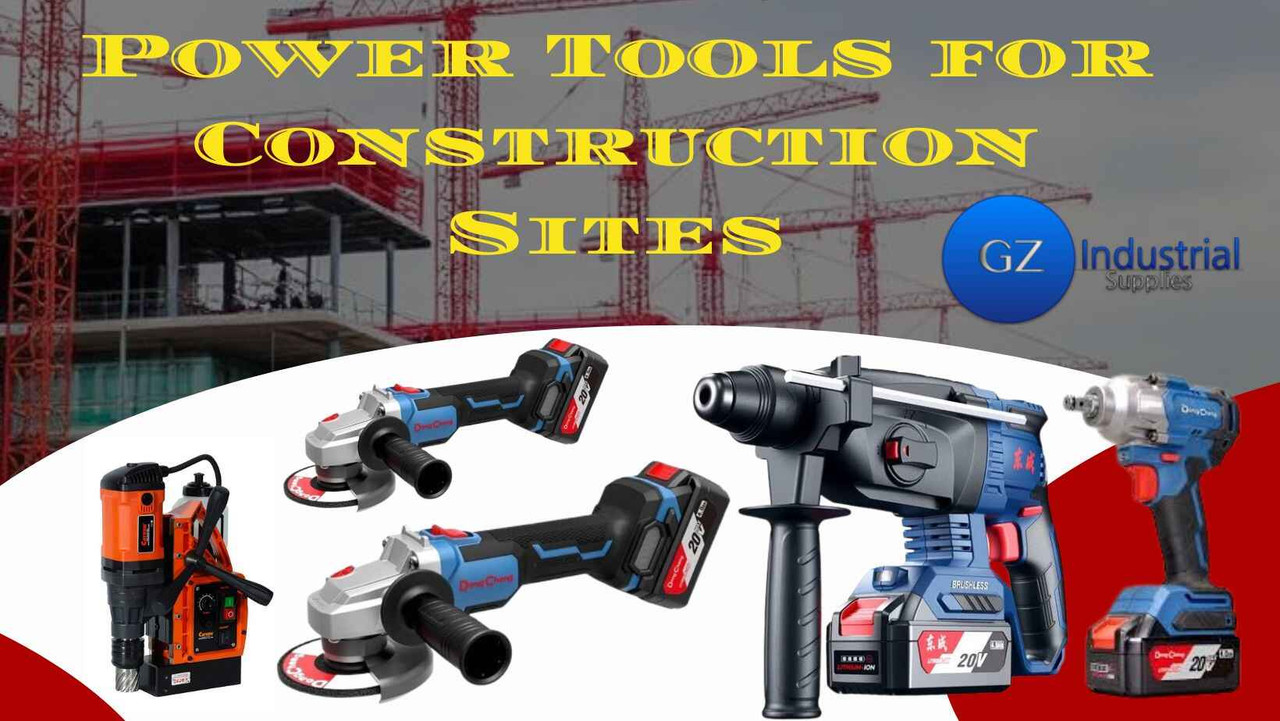
Introduction: Why the Right Power Tools Matter on Construction Sites
Construction sites are tough environments. Dust, vibration, heavy workloads, unstable power supply, and continuous operation all place extreme demands on tools. This is why choosing the right power tools for construction sites is not just about convenience, it directly affects productivity, safety, project timelines, and long-term costs.
Many contractors make the mistake of using household or light-duty power tools on construction sites. While these tools may appear cheaper at first, they often fail quickly under site conditions, leading to frequent breakdowns, delays, and higher replacement costs. In contrast, construction-grade power tools are designed for continuous use, higher torque, stronger components, and safer operation.
This guide is written for:
- Building contractors and construction companies
- Site engineers and project managers
- Procurement officers and technical buyers
- Technicians and skilled tradespeople
By the end of this article, you will clearly understand which power tools are essential on construction sites, what to look for before buying, and why certain tools are better suited for heavy-duty work.
Key Factors to Consider Before Buying Power Tools for Construction
Before selecting any power tool for a construction site, it is important to evaluate more than just price. Construction tools are long-term investments, and the wrong choice can cost more over time.
Duty Cycle and Workload
Construction tools are expected to work for long hours, often without breaks. Always check whether a tool is rated for:
- Continuous operation
- Heavy-duty or industrial use
- High torque and sustained load
Tools designed for occasional home use are not suitable for construction environments.
Power Source: Corded vs Cordless
Construction sites often face power challenges. When choosing tools, consider:
- Availability of electricity on site
- Use of generators
- Areas requiring mobility or height work
A combination of corded and cordless tools is often the most practical solution.
Power Rating and Performance
Look at:
- Wattage (for corded tools)
- Voltage and battery capacity (for cordless tools)
- Impact energy (for hammers and breakers)
Higher ratings generally mean better performance for demanding tasks like drilling concrete or cutting steel.
Build Quality and Durability
Construction-grade tools typically feature:
- Reinforced gearboxes
- Stronger motors
- Metal housings instead of plastic
- Improved cooling systems
Durability is critical on sites where tools are exposed to rough handling.
Maintenance and Spare Parts Availability
A powerful tool is useless if it cannot be repaired locally. Always confirm:
- Availability of spare parts
- Ease of servicing
- Local technical support
This factor alone can determine whether a tool is profitable or a liability.
Essential Power Tools Every Construction Site Must Have
Regardless of project size, certain power tools are considered non-negotiable on construction sites.
Rotary and Impact Drills
Drills are among the most frequently used tools on construction sites. They are used for:
- Drilling into concrete, steel, and wood
- Fixing anchors and fasteners
- Electrical and plumbing installations
For construction work, hammer drills or rotary hammers are preferred over standard drills because they deliver higher impact energy and faster drilling in concrete.
Key considerations:
- Hammer function strength
- Chuck type (SDS Plus or SDS Max for heavy work)
- Motor power and vibration control
Angle Grinders
Angle grinders are versatile and indispensable on construction sites. They are used for:
- Cutting rebar and steel sections
- Grinding welds
- Cutting tiles and concrete blocks
Construction sites typically require:
- 4.5-inch grinders for light work
- 7-inch or 9-inch grinders for heavy cutting
Safety features such as protective guards and soft-start functions are critical due to the high risk involved.
Demolition and Breaker Hammers
For demolition work, breaker hammers are essential. They are used for:
- Breaking concrete slabs
- Removing tiles and masonry
- Chiseling channels
These tools must be:
- High-impact rated
- Well-balanced to reduce operator fatigue
- Compatible with durable chisels
Specialized Power Tools by Construction Phase
Beyond the core tools, construction projects move through phases, and each phase requires specific power tools to work efficiently and safely.
Concrete and Structural Works
Concrete work demands tools that can handle vibration, dust, and high resistance.
Essential tools include:
- Rotary hammers (SDS Plus & SDS Max) – for drilling anchors, dowels, and structural fixings
- Concrete vibrators – to eliminate air pockets and improve slab strength
- Power trowels and mixers – for finishing and material consistency
For reinforced concrete environments, tools must offer high torque and impact energy, not just speed.
Steel Fabrication and Welding Support
Construction sites involving steel structures rely heavily on power tools that support fabrication.
Common tools include:
- Heavy-duty angle grinders – for cutting and edge preparation
- Magnetic drills – for precision drilling on steel beams
- Electric impact wrenches – for bolting and fastening steel connections
These tools must be rugged and capable of operating in dusty, hot environments.
Carpentry and Finishing Works
As projects approach completion, finishing tools become more prominent.
Key tools include:
- Circular saws – for wood and formwork
- Jigsaws and reciprocating saws – for precision cuts
- Electric sanders – for surface preparation
Accuracy, control, and clean finishes matter more at this stage than brute force.
Corded vs Cordless Power Tools on Construction Sites
One of the biggest decisions contractors face is choosing between corded and cordless tools. The correct approach is not choosing one over the other, but understanding where each performs best.
When Corded Tools Are the Better Choice
Corded tools are ideal when:
- Continuous power is required
- The tool will run for long hours
- High torque or sustained load is needed
Examples:
- Large angle grinders
- Demolition hammers
- Bench-mounted tools
Corded tools eliminate downtime caused by battery charging and typically deliver higher raw power.
When Cordless Tools Make Sense
Cordless tools shine in situations where:
- Mobility is critical
- Working at height or tight spaces
- Power supply is unreliable
Common cordless tools on sites:
- Impact drivers
- Compact drills
- Cordless grinders for light tasks
For Nigerian construction sites where generator use is common, cordless tools help reduce fuel costs and cable hazards.
Best Practice: Hybrid Tool Strategy
Most professional construction teams use:
- Corded tools for heavy-duty, stationary work
- Cordless tools for mobility and quick tasks
This approach maximizes productivity while controlling operational costs.
Choosing the Right Power Tool Brands for Construction Use
Brand choice matters greatly on construction sites not for status, but for reliability, spare parts availability, and service support.
What Makes a Brand Suitable for Construction Sites
A construction-grade brand should offer:
- Proven durability under heavy use
- Easy access to spare parts
- Local service centers
- Consistent product quality
Cheap tools often fail early and cost more in downtime and replacement.
Avoiding the “False Economy” Trap
Buying low-cost tools may seem attractive initially, but common issues include:
- Motor burnout
- Gear failure
- Poor vibration control
- Unsafe operation
Professional contractors prioritize total cost of ownership, not just purchase price.
Safety Considerations When Using Power Tools on Construction Sites
Power tools are among the leading causes of site injuries. Safety must never be an afterthought.
Key safety practices include:
- Always use proper guards and safety switches
- Ensure operators are trained
- Use PPE such as gloves, goggles, and ear protection
- Regularly inspect tools for wear and damage
Construction-grade tools often include anti-kickback, soft-start, and vibration reduction features, which significantly reduce risk.
Budgeting and Cost Planning for Construction Power Tools
Power tools should be viewed as productive assets, not expenses. The goal is to balance upfront cost, durability, and long-term return.
How to Budget Power Tools for Construction Projects
A practical approach is to categorize tools into three groups:
High-usage tools – drills, grinders, impact wrenches
- Invest in premium, heavy-duty models
- These tools run daily and directly affect productivity
Medium-usage tools – circular saws, sanders, reciprocating saws
- Mid-range professional tools are sufficient
Occasional-use tools – specialty cutters, polishers
1. Can be rented or purchased as needed
This strategy prevents overspending while ensuring critical tools never fail on-site.
Standardizing Tools Across Construction Teams
Standardization improves efficiency and reduces maintenance problems.
Benefits include:
- Easier training for workers
- Fewer spare parts required
- Interchangeable batteries (for cordless tools)
- Faster repairs and replacements
Construction companies operating multiple sites should standardize brands, battery platforms, and accessories.
Power Tool Maintenance and Longevity on Construction Sites
Proper maintenance extends tool life and protects your investment.
Best practices:
- Clean tools daily to remove dust and debris
- Avoid overloading motors beyond rated capacity
- Store tools in dry, secure environments
- Replace worn accessories promptly
Regular inspection prevents sudden failures that cause work stoppages.
Buying Checklist: What to Look for Before Purchasing
Before buying any power tool for construction use, confirm the following:
- Heavy-duty motor rating
- Availability of spare parts in Nigeria
- Warranty and service support
- Compatibility with existing batteries or accessories
- Safety features (soft start, overload protection)
Never purchase based on price alone performance and support matter more.
Recommendations: What to Buy and Why
For construction sites in Nigeria, the most effective approach is:
- Invest in core heavy-duty power tools first
- Use a mix of corded and cordless tools
- Prioritize reliable brands with local support
- Maintain tools properly to maximize lifespan
Conclusion
Power tools directly impact construction speed, quality, and safety. Choosing the right tools ensures projects are completed on time, within budget, and with fewer risks.
Need Help Choosing the Right Power Tools?
If you’re setting up or upgrading a construction site, professional guidance can save you time and money. Selecting the right tools for your specific application ensures long-term performance and reliability.
Call or WhatsApp for expert advice and supply support
Request bulk pricing and contractor deals on 08053390129
Newest Guide & Blog Updates
Top 10 Power Tools Every Workshop in Nigeria Needs in 2026
Introduction In 2026, Nigerian workshops from car repair garages in Lagos to metal fabrication shops...
Power Tools for Construction Sites: What to Buy and Why
Introduction: Why the Right Power Tools Matter on Construction Sites Construction sites are tough en...

Epochem 109 vs Epocool 2000: Which Corrosion Inhibitor Is Right for Your Industrial Application?
Introduction Corrosion remains one of the most costly challenges in industrial operations, leading t...

Drill Machine Price in Nigeria (Types & Best Brands)
Introduction Drill machines are among the most essential power tools used across Nigeria’s construct...

Predictive Maintenance for Industrial Fleets
At 2:17 a.m., a fully loaded logistics truck broke down on a remote highway not because it hadn’t be...

EP2 Grease vs Lithium Grease: Which Is Better for Your Machinery?
Introduction: Why Choosing the Right Grease Matters Lubrication is one of the most critical f...