
Water Pump Not Working? 12 Common Problems and How to Fix Them

Most water pump problems come down to five things: no power or low voltage, a pump that has lost its prime (air in the pipe), a well or borehole that has run low, a blocked strainer or impeller, or a worn part such as the capacitor, seal or pressure switch. Use the table below to match what your pump is doing to the likely cause, then follow the fix. Most checks take less than 15 minutes and need only a screwdriver and a bucket of water.
Quick diagnosis: what is your pump doing?
| S/N | What you notice | Most likely cause | First thing to try | DIY or technician? |
|---|---|---|---|---|
| 1 | Pump does not start, no sound at all | No power, tripped breaker, blown fuse, very low voltage | Check the breaker, socket and voltage | DIY |
| 2 | Pump hums but the motor does not turn | Bad start capacitor or jammed impeller | Turn the shaft by hand (power off) | Technician for capacitor |
| 3 | Pump runs but brings no water | Lost prime, air leak, water level too low | Re-prime and check the water level | DIY |
| 4 | Water flows, then stops after a few minutes | Leaking foot valve, blocked strainer, suction lift too high | Check the foot valve and suction pipe | DIY |
| 5 | Weak flow or low pressure | Clogged impeller or strainer, low voltage, pump too small | Clean the strainer and check voltage | DIY / technician |
| 6 | Pump keeps switching on and off every few seconds | Pressure tank problem, faulty pressure switch, a leak | Check tank air pressure and look for leaks | DIY / technician |
| 7 | Pump never stops, tank overflows | Stuck float switch or faulty pressure switch | Free or replace the float switch | DIY |
| 8 | Loud grinding, rattling or "gravel" noise | Worn bearings, cavitation, loose mounting | Tighten mounting bolts, check suction side | Technician for bearings |
| 9 | Pump gets very hot or smells burnt | Dry running, low voltage, poor ventilation, overload | Switch off, let it cool, find the cause before restarting | DIY / technician |
| 10 | Water leaking from the pump body | Worn mechanical seal, loose fittings, cracked housing | Tighten fittings, re-seal threads | Technician for seal |
| 11 | Breaker trips or you feel a shock | Water in the motor, damaged cable, burnt winding | Switch off at the breaker. Do not touch | Electrician only |
| 12 | Petrol or diesel pump will not start | Old fuel, low oil (oil alert), dirty spark plug, choke | Check oil level, fuel and spark plug | DIY |
The 12 problems and how to fix them
1. Pump does not start at all
If there is no sound and no movement, the pump is not getting power. Check these in order:
- Is the breaker or changeover on? Has a fuse blown in the plug or distribution board?
- Plug something else, like a fan, into the same socket. If it does not work, the problem is the socket or wiring, not the pump.
- Check the voltage. Most 1HP pumping machines need at least 200V to start. On low NEPA supply (below 180V) the motor may not start at all, and repeated attempts can burn the winding. A voltage stabilizer protects the pump.
- If the pump has a float switch or automatic pump controller, it may be telling the pump the tank is already full (see problem 7).
2. Pump hums but does not turn
A humming sound means power is reaching the motor but it cannot start turning. There are two usual reasons:
- Jammed impeller: a pump that sat unused for weeks can seize with rust or dirt. With the power off, turn the shaft at the fan end with a screwdriver. If it moves stiffly and then frees up, try the pump again.
- Bad start capacitor: this is the most common fault on single-phase surface pumps in Nigeria, often after voltage surges. A swollen or leaking capacitor is a clear sign. Capacitors are cheap to replace, but they hold a charge, so let a technician change it.
Do not leave a humming pump switched on. It will overheat within minutes.
3. Pump runs but brings no water
This is the problem people search for most. The motor turns, but nothing comes out. The causes, from most to least common:
- The pump has lost its prime. A surface pump cannot suck air. If air gets into the suction pipe, the pump spins without moving water. Re-prime it using the steps further down.
- The water level is too low. In the dry season, well and borehole levels can drop below the end of your suction pipe. Lower the pipe, or for deep boreholes use a submersible or deep well pump instead of a surface pump.
- Air leak on the suction side. A loose joint or cracked pipe lets air in. Check joints with soapy water or listen for hissing, and re-seal threads with thread tape.
- Closed valve or blocked pipe. Make sure every valve between the source and the tank is open.
4. Water flows, then stops after a few minutes
- Leaking foot valve: the foot valve at the bottom of the suction pipe should hold water in the pipe. If it leaks, the pipe empties and the pump loses its prime each time. Pull up the pipe, clean the valve and strainer, or replace the valve.
- Suction lift too high: a surface pump can only lift water about 7 to 8 metres from the water level to the pump. Deeper than that, it will struggle and lose water. Move the pump closer to the water, or switch to a submersible pump.
- The well refills slowly: if the pump draws water faster than the well or borehole refills, it runs dry. Pump in shorter cycles, or fit a smaller pump.
5. Weak flow or low pressure
- Clean the inlet strainer and the foot valve. Sand, leaves and slime are common in wells.
- Check for low voltage. A motor on 170V turns slower and pushes less water.
- A worn or clogged impeller pushes less water. A technician can open the pump housing and clean or replace it.
- Check that the pump matches the job. A 0.5HP pump pushing water up to a tall overhead tank far from the well will always be weak. Ask us to check the size against your tank height and pipe length.
- Sandy or dirty water from a borehole usually means the pump sits too close to the bottom, or the borehole needs flushing.
6. Pump keeps switching on and off (short cycling)
On pumps with a pressure tank or automatic pump control, rapid on-off switching wears out the motor quickly. Check:
- Tank air pressure: with the pump off and taps open, check the air valve on the pressure tank. If water comes out, the tank's internal bladder has failed.
- Leaks: a dripping tap or a hidden leak lets pressure fall, so the pump keeps restarting.
- Pressure switch: a dirty or badly set switch cuts in and out too quickly. A technician can clean or adjust it.
7. Pump never stops and the tank overflows
If the pump keeps running after the tank is full, the float switch is usually stuck in the "empty" position, or its cable is tangled on the ladder or inlet pipe. Climb up safely, free the float so it hangs and moves freely, and replace it if it is cracked or full of water. On pressure systems, a stuck pressure switch causes the same thing.
8. Loud grinding, rattling or "gravel" noise
- Rattling or vibration: tighten the mounting bolts, and place the pump on a firm, level base with a rubber pad.
- A sound like gravel inside the pump: this is cavitation. The pump is starved of water, usually because of a blocked strainer, a long or narrow suction pipe, or a low water level. Fix the suction side first.
- Grinding or screeching: worn motor bearings. Stop using the pump and have the bearings replaced before they damage the shaft.
9. Pump overheats or smells burnt
Switch off and let it cool for at least 30 minutes. Overheating almost always has a cause you can find:
- Dry running: the water cools the pump. Running without water burns the seal and the motor. Fit a dry-run protector or an automatic pump controller.
- Low or unstable voltage: common with NEPA supply and small generators. Use a stabilizer.
- No airflow: pumps locked in a hot metal box or covered with cloth cannot cool. Give the motor a shaded, ventilated cover.
- Burnt smell: this often means the winding is damaged. Call a technician before using it again.
10. Water leaking from the pump body
Leaks at pipe joints are usually fixed by tightening the fitting and re-wrapping the threads with thread tape. A steady drip from between the motor and the pump housing means the mechanical seal is worn. Replace it quickly, because water running into the motor will burn it.
11. Breaker trips or the pump gives a shock
Switch off at the breaker and do not touch the pump. This points to water in the motor, a damaged cable or a burnt winding. Make sure the pump is earthed, and let a qualified electrician test it. This is not a DIY job.
12. Petrol or diesel water pump will not start
- Engine oil: many Honda and Ingco engines have an oil alert that stops the engine starting when oil is low. Top up to the mark.
- Fuel: petrol left in the tank for more than a month goes stale. Drain it and refill with fresh fuel.
- Spark plug (petrol): remove, clean and check the gap, or replace it.
- Choke: close the choke for a cold start, then open it once the engine runs.
- Priming: engine pumps also need the pump chamber filled with water before you start them.
How to prime a surface water pump
Priming fills the pump and suction pipe with water so the pump can start pulling. Do it on first use, and any time the pump has lost its prime.
- Switch off and unplug the pump.
- Remove the priming plug on top of the pump body.
- Pour clean water in slowly until it overflows and no more air bubbles come up. This can take 5 to 20 litres for a long suction pipe.
- Replace the plug and tighten it well. Use thread tape if it leaks.
- Open the outlet valve, switch on, and watch for water within 1 to 2 minutes.
- No water after 2 minutes? Switch off, top up and try again. If it still fails after two or three tries, look for an air leak or a faulty foot valve (problems 3 and 4).
Repair or replace?
| Usually worth repairing | Usually time to replace |
|---|---|
| Capacitor, float switch or pressure switch failure | The motor winding has burnt more than once |
| Worn mechanical seal or bearings on a pump under 5 years old | The pump housing is cracked or badly rusted |
| Blocked impeller, strainer or foot valve | Repair would cost more than half the price of a new pump |
| Leaking pipe joints | The pump is the wrong type for your water source (for example, a surface pump on a deep borehole) |
Maintenance checklist to prevent breakdowns
- Every week: listen for new noises and look for leaks or dripping.
- Every month: clean the inlet strainer, and check the float switch moves freely.
- Every 3 months: check the foot valve, tighten mounting bolts and pipe joints, and check tank air pressure on pressure systems.
- Every year: have a technician check the capacitor, seal and bearings. For engine pumps, change the oil and spark plug as the manual says.
- Always: use a stabilizer on unstable power, never run the pump dry, and keep it shaded and ventilated.
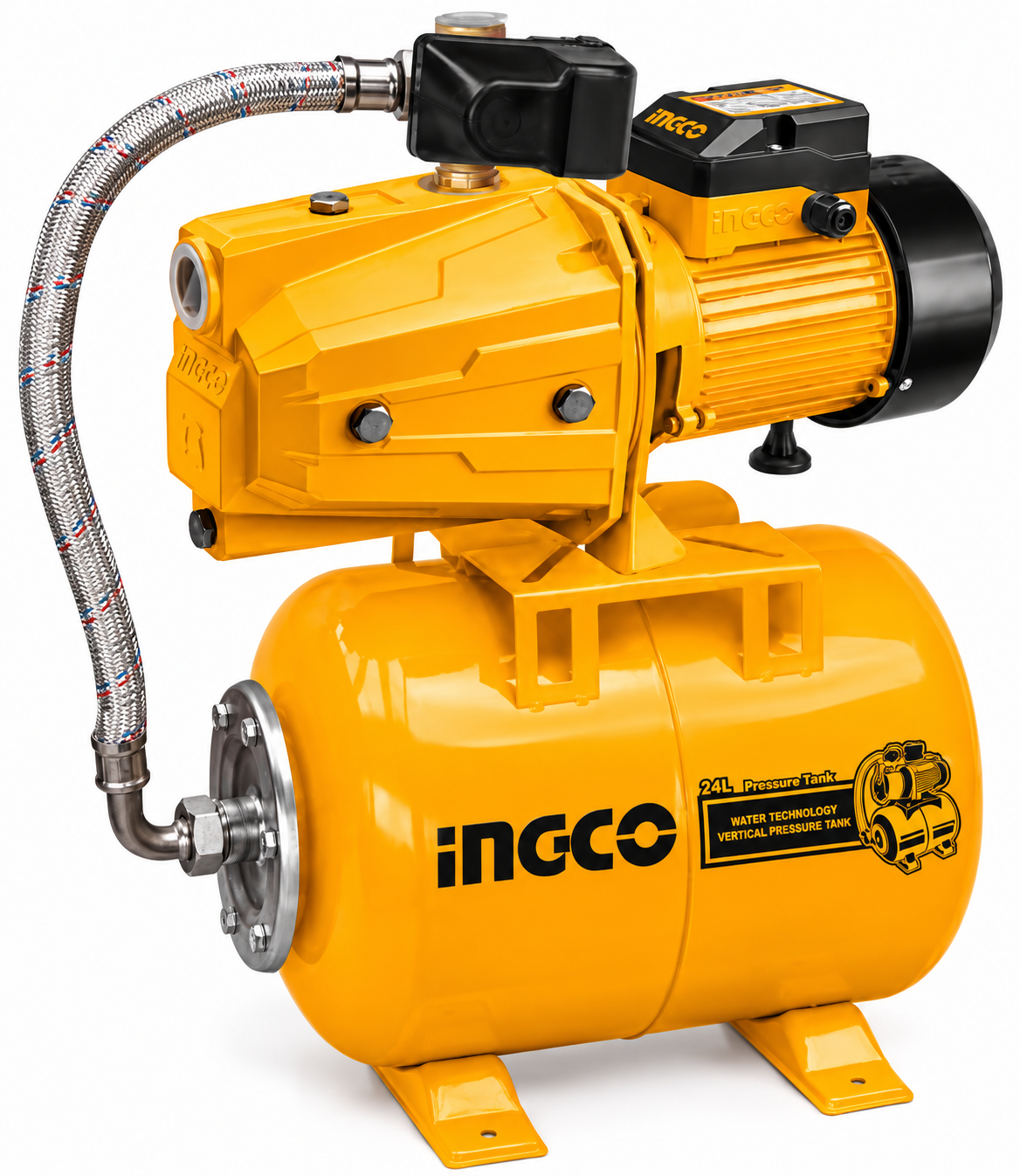
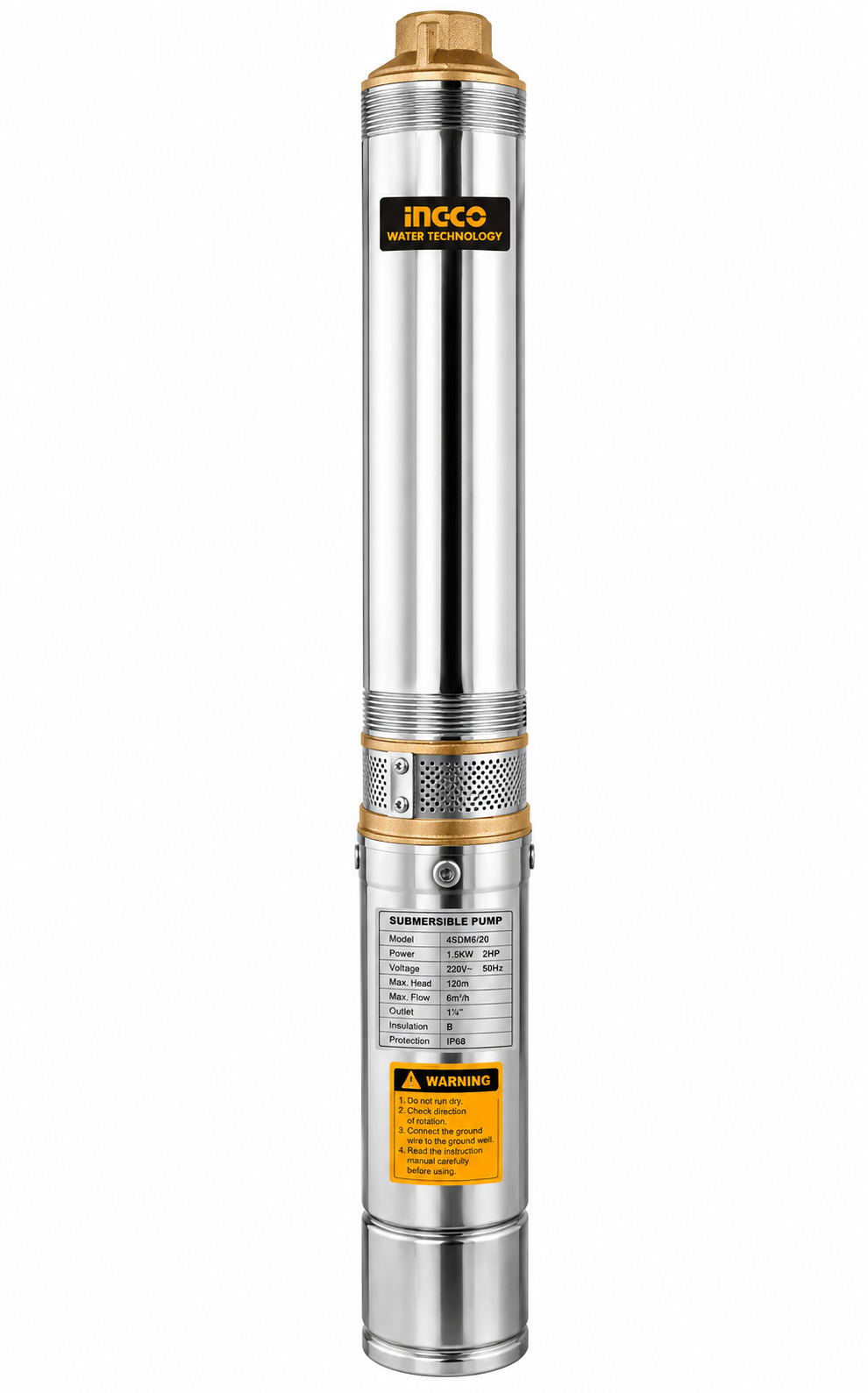
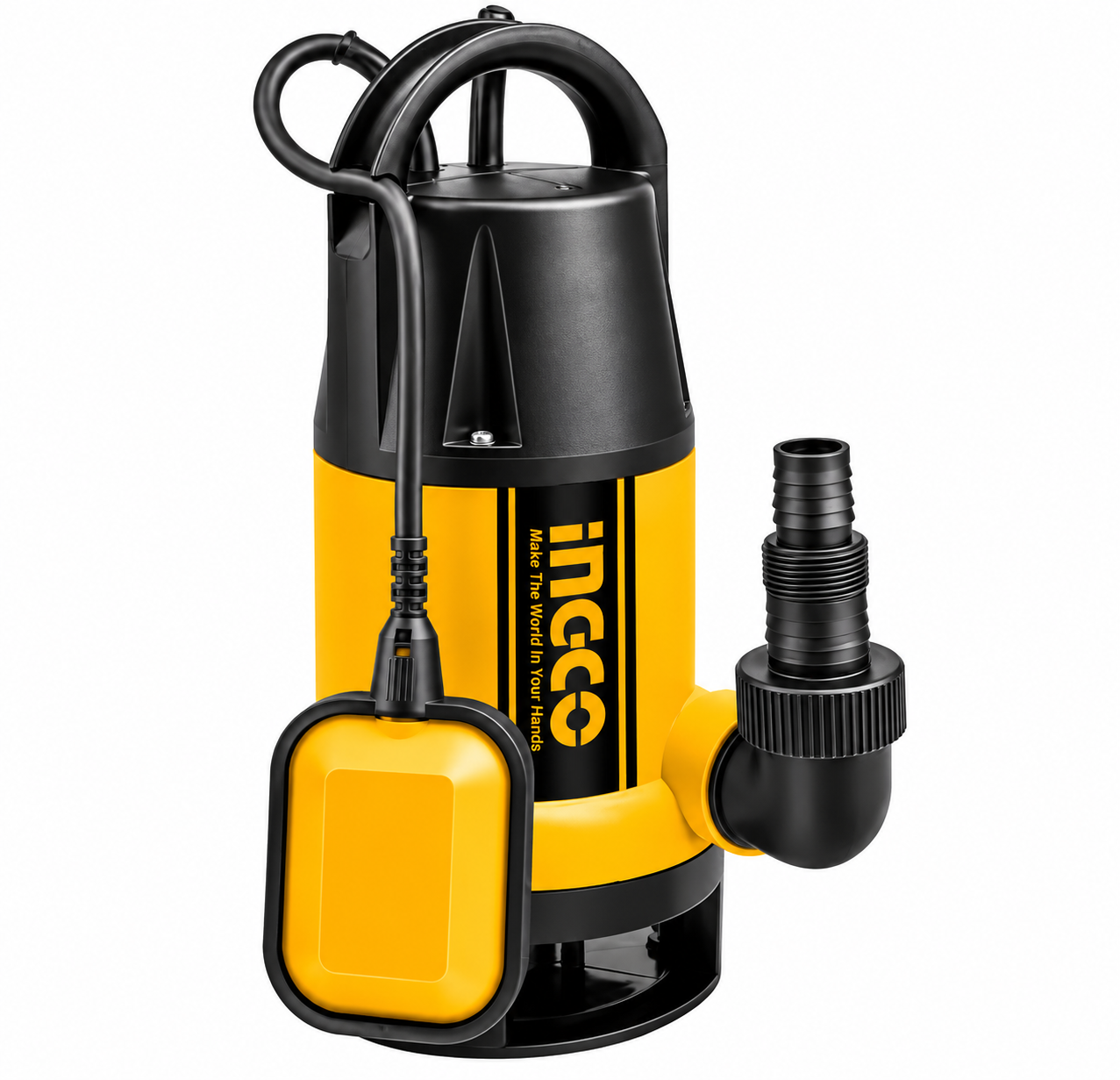
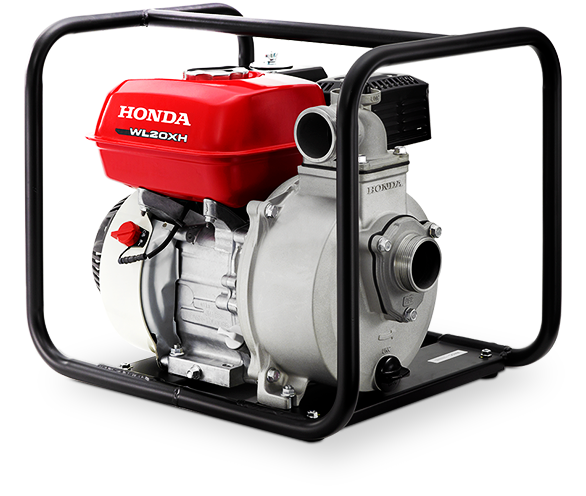
Need a replacement pump? In stock at GZ
If your old pump is beyond repair, or it is the wrong type for your water source, these are in stock at our branches now. Send us your water source (well, borehole or tank), its depth and your tank height, and we will tell you which size you need.
Frequently asked questions
Why is my water pump running but not pumping water?
Usually the pump has lost its prime (there is air in the pump or suction pipe), the water level in the well has dropped below the suction pipe, or a joint on the suction side is letting air in. Re-prime the pump first, then check the water level and the foot valve.
Why is my pump not pumping water to the overhead tank?
Check that every valve is open and the pump has its prime. If water comes out at ground level but not at the tank, the pump may be too small for the height and pipe length, or the voltage is too low for it to push water that high.
What causes low water pressure from a pump?
A clogged strainer or impeller, low voltage, an air leak, a worn impeller, or a pump that is too small for the job.
How do I know if my pump capacitor is bad?
The pump hums but does not start, or it only starts after you turn the shaft by hand. The capacitor may also look swollen, burnt or leaking. A technician can test it with a meter and replace it.
Can low voltage damage my pumping machine?
Yes. On low voltage the motor draws more current and heats up, which can burn the winding and capacitor. Use a voltage stabilizer where NEPA supply is unstable.
Why is my water pump making noise?
Rattling usually means loose mounting. A gravel sound means the pump is starved of water (cavitation). Grinding or screeching means worn bearings.
How often should a water pump be serviced?
Clean the strainer monthly, check valves and joints every 3 months, and have a technician check the capacitor, seal and bearings once a year.
Related guides
- Different types of water pumps and their uses
- 1HP water pump prices in Nigeria
- The best water pumps in Nigeria
- Where to buy water pumps in Nigeria
Send us a short video of your pump running, plus your water source and tank height. We will help you find the fault or the right replacement.
Chat on WhatsApp sales@gz-supplies.com
Showrooms in Ikeja, Ogba and Lekki (Lagos), Abuja, Port Harcourt and Calabar.
Newest Guide & Blog Updates

The Best Water Pumps in Nigeria (2026 Reviews & Price Guide)
The best water pump for most Nigerian homes is a 1HP self-priming surface pump such as the Ingco JPT...

Water Pump Not Working? 12 Common Problems and How to Fix Them
Most water pump problems come down to five things: no power or low voltage, a pump that has lost its...

Epoxy Oilserv Announces Free Online Epoxy Flooring Training in Nigeria for October 2026
Epoxy Oilserv Nigeria Limited is set to host a free online introductory epoxy flooring training on S...
5 Signs Your Hydraulic Hose Needs Immediate Attention
Introduction A hydraulic hose may look like a simple component, but it plays an important role in ke...

How Much Does Epoxy Flooring Cost in Nigeria?
How Much Does Epoxy Flooring Cost in Nigeria? If you are planning to install epoxy flooring in a fac...
Heavy-Duty Degreaser vs Solvent Degreaser: Which Is Right for Your Equipment?
Introduction Oil, grease and stubborn industrial dirt can build up quickly on machinery, engines, to...