
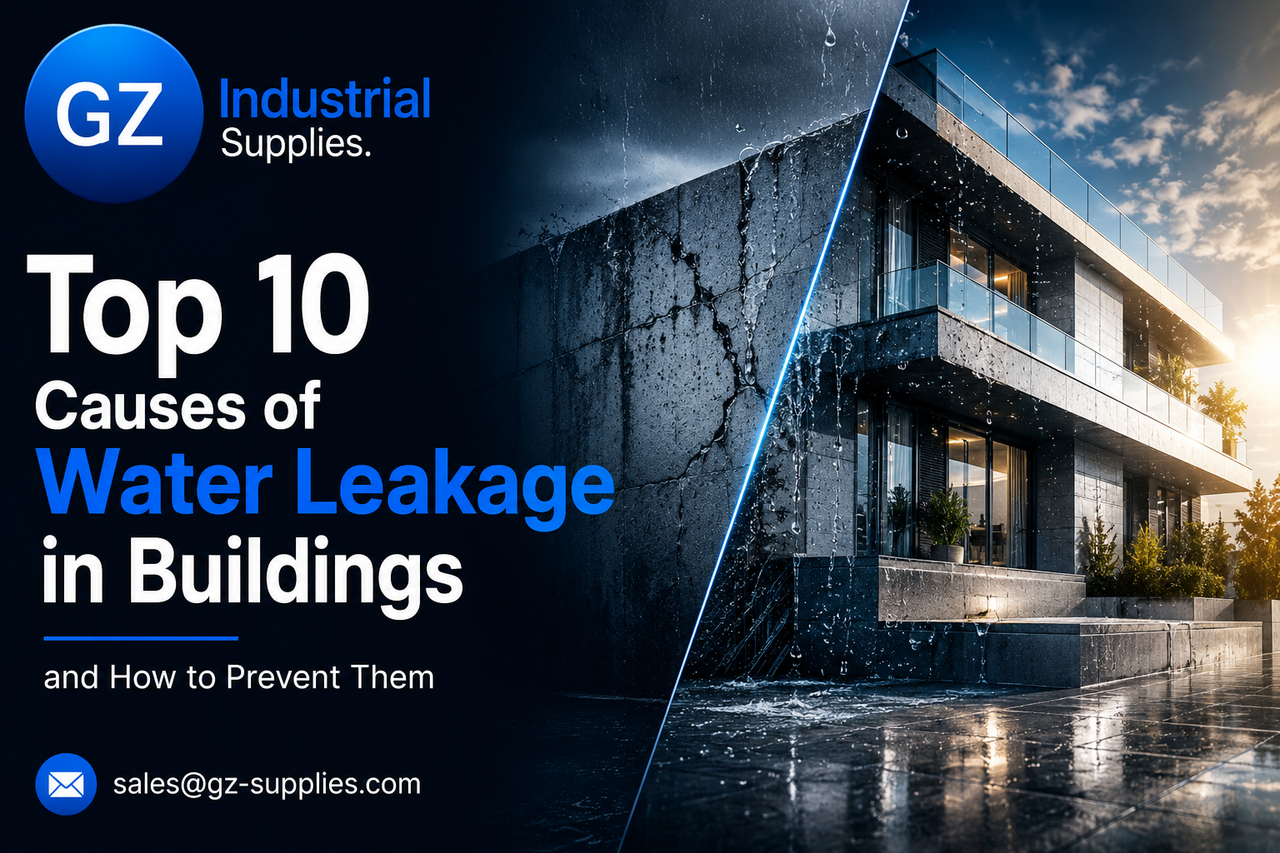
Top 10 Causes of Water Leakage in Buildings and How to Prevent Them
Introduction
Water leakage is one of the most common and expensive problems affecting residential, commercial, and industrial buildings in Nigeria. Left untreated, even a minor leak can result in damp walls, mould growth, peeling paint, cracked concrete, corrosion of steel reinforcement, and structural deterioration.
Prolonged dampness and mould can also affect indoor air quality and occupant health, highlighting the importance of early detection and proper waterproofing. Guidance from the World Health Organization (WHO) emphasizes the health risks associated with damp indoor environments.
Many property owners only notice the damage after water has already penetrated the building. Identifying the root cause early and implementing the right waterproofing solution can save thousands in repair costs while extending the lifespan of your property.
In this guide, we explore the top 10 causes of water leakage in buildings and practical ways to prevent them.
Damaged or Poorly Waterproofed Roofs
The roof is your building's first line of defense against rain. Over time, exposure to sunlight, heavy rainfall, and temperature fluctuations can cause roofing materials to crack, deteriorate, or separate at joints.
Common warning signs include:
- Water stains on ceilings
- Dripping during rainfall
- Damp ceilings
- Peeling ceiling paint
Prevention
- Install professional waterproof roofing systems.
- Repair damaged flashing and roof joints.
- Conduct annual roof inspections.
- Ensure proper roof drainage.
Cracks in Concrete Structures
Concrete naturally develops cracks due to shrinkage, structural movement, heavy loading, or poor construction practices.
Even small cracks allow water to penetrate deep into the structure.
Common locations include:
- Roof slabs
- Concrete beams
- Columns
- Retaining walls
- Balconies
Prevention
Repair cracks promptly using professional polyurethane or epoxy injection systems before water causes further structural damage.
Poor Exterior Wall Waterproofing
Exterior walls receive constant exposure to rain and moisture. Without proper waterproof coatings, rainwater gradually penetrates porous concrete and masonry.
Signs include:
- Damp interior walls
- Peeling paint
- White salt deposits (efflorescence)
- Mould growth
Prevention
Apply high-quality exterior wall waterproof coatings and repair cracks before they expand.
Blocked Roof Gutters and Drainage Systems
Blocked gutters cause rainwater to overflow and accumulate on roofs.
Standing water eventually finds weak points and enters the building.
Prevention
- Clean gutters regularly.
- Remove leaves and debris.
- Ensure downpipes discharge water away from foundations.
Rising Damp
Rising damp occurs when groundwater moves upward through walls by capillary action.
It commonly affects older buildings without an effective damp-proof course.
Typical symptoms include:
- Peeling wall paint
- Damp walls
- Salt deposits
- Decaying plaster
Prevention
Install a professional Chemical Damp Proof Course (DPC) and improve site drainage.
Failed Waterproofing Systems
Many buildings have waterproofing systems that have exceeded their service life or were poorly installed.
Common failures include:
- Cracked waterproof membranes
- Delaminated coatings
- Open joints
- Membrane punctures
Prevention
Inspect waterproofing systems periodically and replace aging membranes before failure occurs.
Plumbing Leaks
Internal plumbing failures are another major source of water damage.
Leaks may originate from:
- Water supply pipes
- Bathrooms
- Kitchens
- Water tanks
- Air-conditioning drainage
Prevention
Carry out routine plumbing inspections and repair leaking pipes immediately.
Poor Construction Workmanship
Improper concrete placement, inadequate reinforcement cover, poor joint detailing, and low-quality materials all increase the likelihood of future water ingress.
Prevention
Use experienced contractors and high-quality construction chemicals during construction.
Basement Water Pressure
Basements and underground structures experience continuous hydrostatic pressure from surrounding groundwater.
Without proper waterproofing, water eventually enters through construction joints or concrete pores.
Prevention
Install:
- HDPE waterproof membranes
- Bentonite waterproofing systems
- External tanking systems
- Drainage protection boards
Poor Building Maintenance
Many water leakage problems become severe simply because minor defects are ignored.
Small roof cracks, damaged sealants, blocked drains, and peeling waterproof coatings eventually develop into major structural problems.
Prevention
Implement a scheduled building maintenance program that includes regular inspections and prompt repairs.
Warning Signs Your Building Has Water Leakage
Look out for these common indicators:
- Water stains
- Damp walls
- Peeling paint
- Ceiling discoloration
- Mould growth
- Musty odors
- White salt deposits
- Cracked plaster
- Concrete deterioration
- Rust stains
Early detection helps reduce repair costs and prevents structural damage.
Why Professional Waterproofing Matters
Many property owners attempt temporary repairs using ordinary paint or household sealants. Unfortunately, these solutions rarely address the underlying cause of water ingress.
Professional waterproofing systems are engineered to withstand Nigeria's climate and provide long-term protection for:
- Roofs
- Walls
- Basements
- Foundations
- Swimming pools
- Water tanks
- Balconies
- Concrete slabs
Professional waterproofing systems should be selected and installed using proven engineering practices and quality materials. Many waterproofing products and testing methods are developed and evaluated in accordance with internationally recognized standards published by ASTM International, helping ensure consistent performance, durability, and long-term protection for concrete and masonry structures.
At GZ Industrial Supplies, our experienced technical team provides comprehensive waterproofing solutions using premium construction chemicals and proven installation methods for residential, commercial, and industrial properties.
Protect Your Building Before Small Leaks Become Major Repairs
Water leakage rarely resolves itself. The earlier a problem is identified, the easier and more affordable it is to fix. Whether you're dealing with roof leaks, damp walls, basement seepage, or cracked concrete, professional waterproofing can help protect your building from long-term damage.
If you're experiencing signs of water ingress or want to safeguard a new or existing property, GZ Industrial Supplies offers expert waterproofing solutions tailored to Nigeria's climate and construction conditions.
Explore our Professional Waterproofing Services in Nigeria to learn how our engineers can help you prevent leaks, extend the life of your building, and reduce future maintenance costs.
Frequently Asked Questions
What is the most common cause of water leakage in buildings?
The most common causes include damaged roofs, cracked concrete, poor wall waterproofing, blocked drainage systems, plumbing leaks, and rising damp. Identifying the exact source is essential before carrying out repairs.
Can small cracks cause major water leaks?
Yes. Even hairline cracks can allow water to penetrate concrete over time, leading to corrosion of steel reinforcement, mould growth, and structural deterioration if left untreated.
How can I prevent water leakage in my building?
Regular inspections, prompt crack repairs, proper roof maintenance, effective drainage, and professionally installed waterproofing systems are the most effective ways to prevent water leakage.
When should I call a waterproofing specialist?
You should contact a waterproofing specialist as soon as you notice damp patches, water stains, recurring leaks, mould growth, peeling paint, or cracks that allow water to enter your building.
Newest Guide & Blog Updates
Heavy-Duty Degreaser vs Solvent Degreaser: Which Is Right for Your Equipment?
Introduction Oil, grease and stubborn industrial dirt can build up quickly on machinery, engines, to...
What Is an Industrial Degreaser? Types, Uses and How It Works
Introduction Industrial equipment, machinery, engines and production surfaces are often exposed to o...

Industrial Equipment Required for Lekki Free Trade Zone Projects
INDUSTRIAL RESEARCH • LEKKI FREE ZONE • LAGOS Industrial Equipment Required for Lekki Free Zone...
Best Safety Equipment Suppliers in Lekki, Lagos
Best Safety Equipment Suppliers in Lekki, Lagos Looking for safety equipment suppliers in Lekki?...
How Much Does Industrial Cleaning Cost in Nigeria?
Introduction If you're planning industrial cleaning in Nigeria, one of the first questions you'll pr...
Hydraulic Hose Crimping Services in Nigeria: How the Process Works
A hydraulic hose may look like a simple component, but it plays a critical role in keeping hydrauli...